 This page's pick
Watching in Mae Wang
Observation, feeding, forest walk
- Hours
- 7 hours
- Reviews
- 680
- Price
- from $54
Guides
Language
EnglishCurrency
US dollar · $Prices on GetYourGuide appear in your chosen currency.
Guide · Welfare
The word sanctuary guarantees nothing. Here are a welfare charity's tests, what scientists measured in Thai camps and what each listing near the city says it does.
Editorial team, elephantsanctuarytour.comUpdated October 24, 2026Read time: 6 min41 sources
In brief
Search for an ethical elephant sanctuary in Chiang Mai and almost every result uses the same vocabulary: sanctuary, rescue, care, ethical. World Animal Protection warns that a venue calling itself a sanctuary, rescue centre or retirement home is no proof of high welfare.7 The scale of the business explains why the wording matters: Thailand's Department of Livestock Development estimated 2,700 elephants working in 250 tourist venues in 2017.8
Thai law treats wild and captive elephants very differently. Killing or capturing wild elephants has been banned since the Wild Elephant Protection Act of 1921, while the Draught Animal Act of 1939 classes captive elephants as livestock.910 Only six camps had been certified by the Department of Tourism and nine by the Department of Livestock Development, out of about 250.11 The sign on the gate tells you little about what happens behind it.
We do not certify any venue or listing. A welfare charity and a team of scientists who study captive elephants offer clearer tests, and they do not always agree with each other. Knowing both lets you read any listing with a sharper eye, ask better questions on the phone or by email, and decide for yourself what kind of encounter you are comfortable paying for. A short message to a venue before you pay often tells you more than its photo gallery does.
The rules over time
1921
Killing or capturing wild elephants becomes prohibited.9
1939
The Draught Animal Act classes captive elephants as livestock.10
1989
After the logging ban, captive elephants turn mainly to tourism.12
2017
An estimated 2,700 elephants work in 250 tourist venues.8
Today
Captive calves must be registered within 90 days of birth.13
The charity boils its advice down to four questions.14 Does the venue allow close contact with elephants? Are the elephants behaving as they would in the wild? Are there baby elephants? Are the elephants and the people safe? It adds that the best place to see elephants is in the wild, and that elephant-friendly venues allow no direct contact between people and elephants.1516
The first question carries the most weight. World Animal Protection says that if a venue lets you get close enough to ride, bathe or touch an elephant, the animal has been cruelly trained, and it describes a genuine sanctuary as one where you can look, not touch.171 Close-up selfies and touching count as red flags on its list too, and it notes that many venues advertise with photos of people riding, bathing and posing with elephants.318
On young animals, the charity says you should not be able to see or touch a baby elephant, especially without its mother, and that true sanctuaries do not breed, with an exception for orphanages that rescue calves from the wild.419 On safety, it warns that captive elephants can be unpredictable and dangerous, especially when crowded, and that even at elephant-friendly venues mahouts often walk with the herd at a distance.2021
Welfare scores
In their own words
| Listing | Hours | Activities it names | On riding |
|---|---|---|---|
| Full day, waterfall & raft | 9 | Feeding, forest walk, river bath, raft | Not stated |
| Half-day feeding | 5 to 5.5 | Walk, feeding, river swim and bath | Not stated |
| Waterfall group day | 7 | Elephants, waterfall, bathing | Prohibited |
| Observation programme | 7 | Feeding, observing, forest walk | Not stated |
| Small group, up to 10 | 5 to 8.5 | Mud bath, river bath, vitamin balls | No riding |
| Hands-off hike | 1 day | Hiking to find the elephants | No riding |
| Raft & cooking day | 10 | Visit, cooking workshop, raft | No riding |
From each GetYourGuide listing's own description; "Not stated" means the listing does not mention riding either way.
Three quieter days
This page's pickObservation, feeding, forest walk
 Full day
 Hands-on
No riding stated, up to 10
Decision helper
Start from what you are comfortable with.
World Animal Protection says visitors should only watch elephants behaving naturally from a distance.23
World Animal Protection found hand feeding offered with 92% of the elephants it surveyed.24
Thailand's wild elephants live mainly in the Western Forest Complex, Kaeng Krachan and Dong Phayayen-Khao Yai.25
Several listings near Chiang Mai state there is no riding, and the others do not list it.
A genuine elephant sanctuary is one where you can look, not touch.
Riding has not disappeared. In World Animal Protection's survey of 236 venues holding 2,849 elephants, 42% of the elephants were still used for rides and 1 in 5 lived at venues that offer shows.2627 Several listings sold for the Chiang Mai area state plainly that there is no riding, so read the small print before you book.
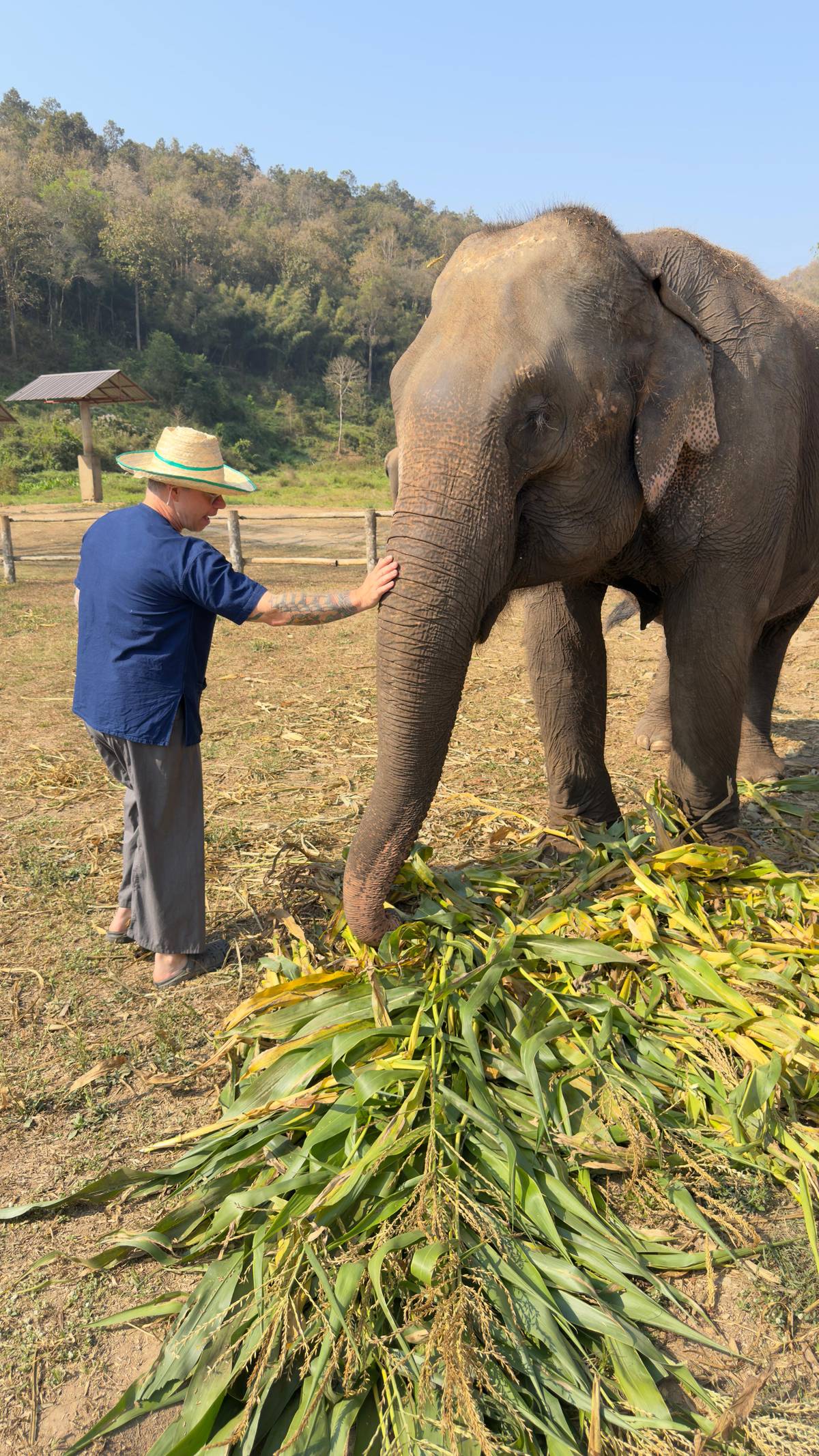
Bathing is where opinions split hardest. World Animal Protection says the number of elephant washing venues in Thailand more than tripled in five years, and that nearly all elephants used for close contact such as bathing went through a training method known as the crush.2829 In its 2026 report, washing was offered with 42% of the elephants and hand feeding with 92%.24
There is a human risk too. World Animal Protection reports that a 22-year-old Spanish tourist died during an elephant bathing experience in Phang Nga Province in January 2025.30 Between 2010 and 2016, media reports counted 17 deaths and 21 serious injuries caused by captive elephants in Thailand.31 Keeping a respectful distance is a safety choice as much as a welfare one.
Checklist
Cost calculator
Pick a day and your group size to see the total.
Total from$108
per guest from $54
Check availabilityfree cancellationWe multiply each elephant day's GetYourGuide starting price by the head count you enter and convert it with the European Central Bank reference rate; the checkout page has the binding figure.
Video
Until you tap play, the video stays unloaded.
Researchers from Chiang Mai University and the Smithsonian take a more cautious line. Their review of captive elephant welfare in Thailand concludes that there are many ways to manage these elephants and that not all tourist activities are bad for welfare.5 Their survey of 627 elephants at 33 camps in northern Thailand found management moving away from shows and saddle riding towards feeding, bathing and walking.32
Not every result points the same way. In the studies they reviewed, elephants at observation-only camps showed higher stress-hormone levels than those at camps with saddle riding and shows, though only a limited number of elephants were examined.33 Their advice to camps is practical: enough exercise, few high-calorie treats, little concrete flooring, careful use of control tools and a limit on visitors per day.34
The charity and the scientists agree on more than it first seems. Both want elephants that move, forage and live in groups. Where they part is on contact: the charity rules it out, while the researchers judge each practice by its measured effect on the animal. Holding both views in mind is the most useful preparation before you book anything. A venue that welcomes questions about both, and answers them plainly, tells you something about how it is run.
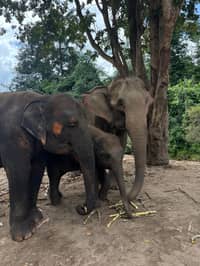
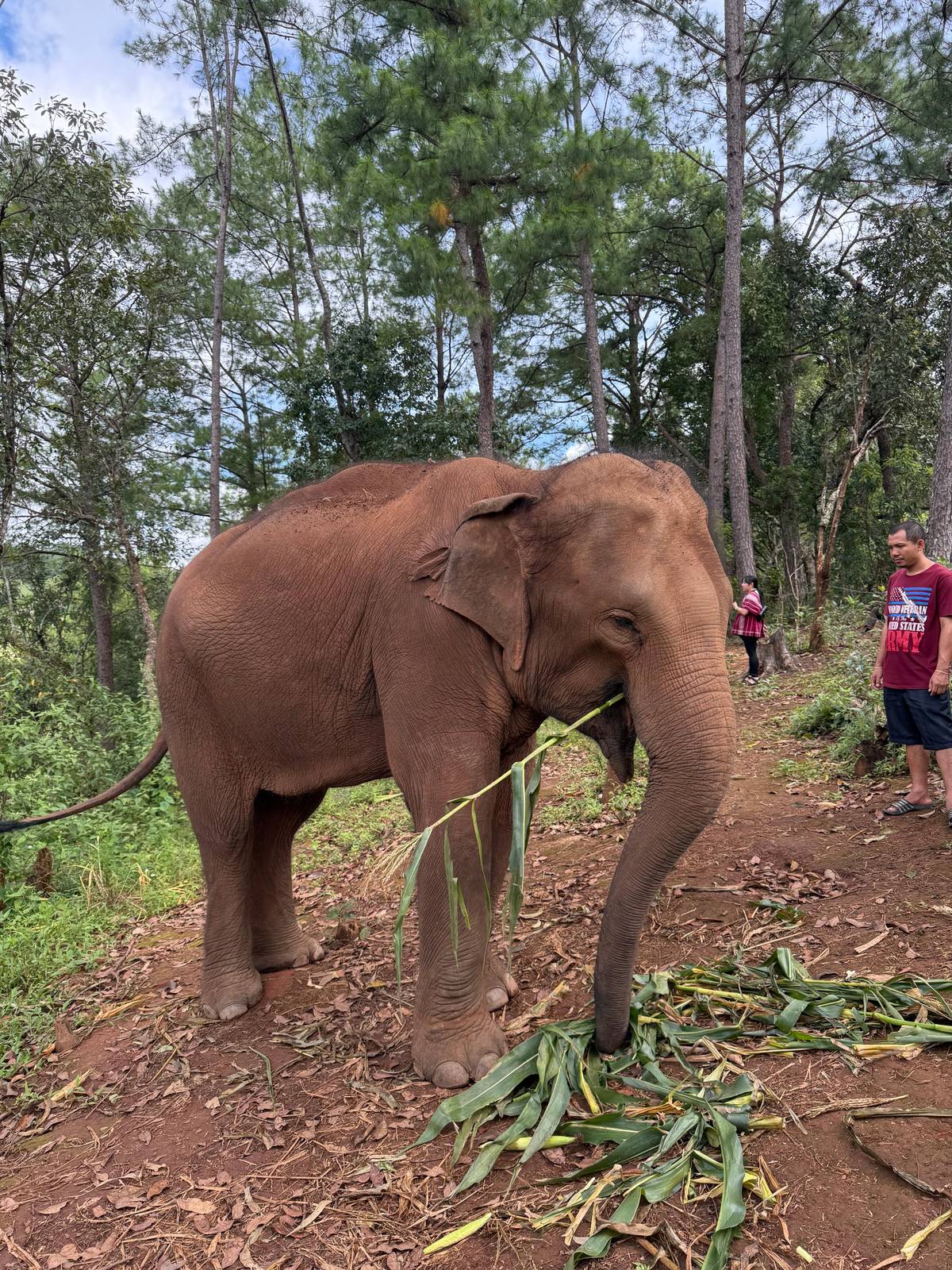
The listings sold for Chiang Mai describe very different days. The full day this site sells names feeding bananas, a forest walk with the elephants and a bath with them in the river, and states that its activities depend on elephants that are not forced to do any of them. The half-day feeding programme in the same valley names a nature walk, feeding and a swim and bath in the river.
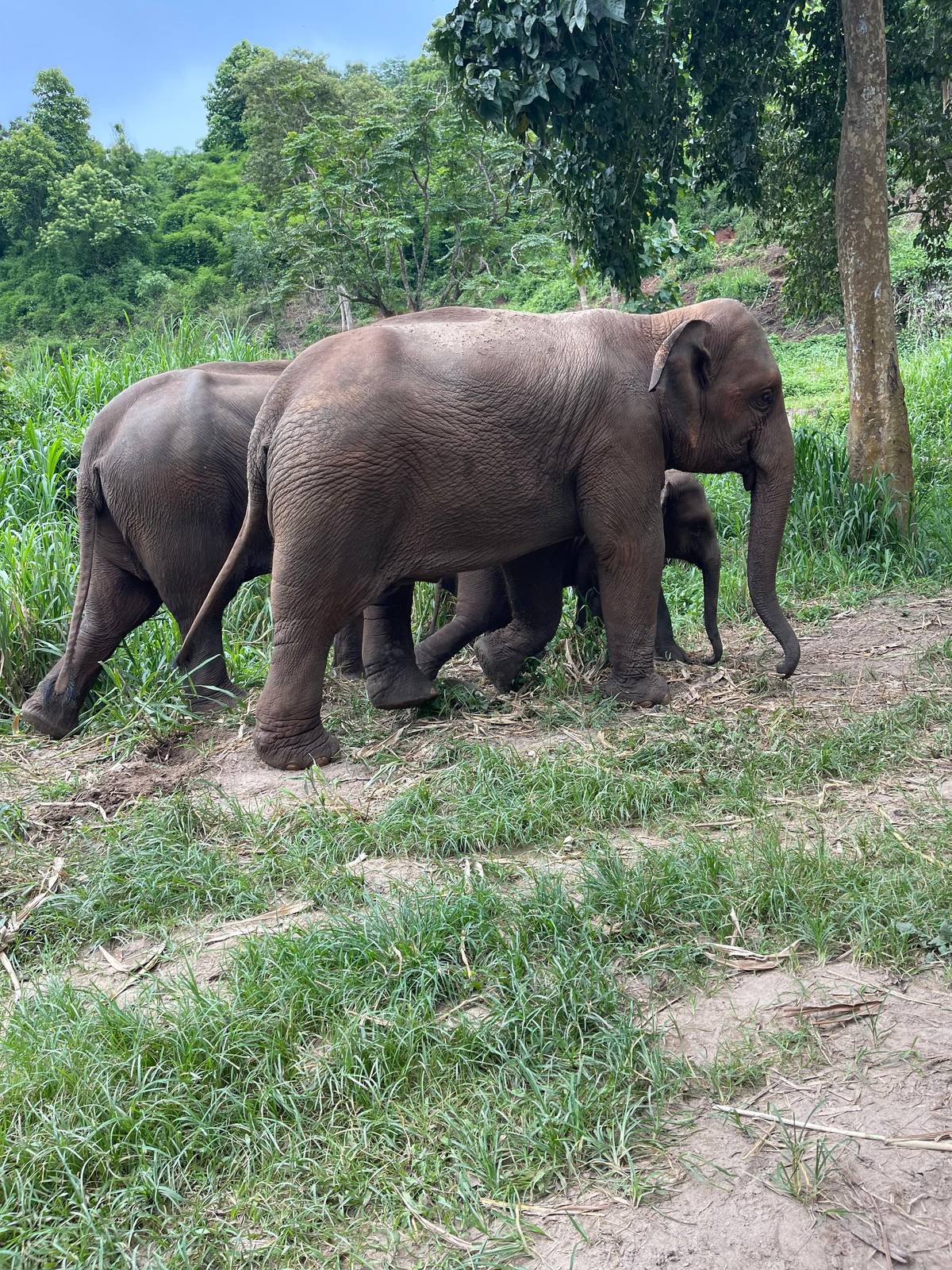
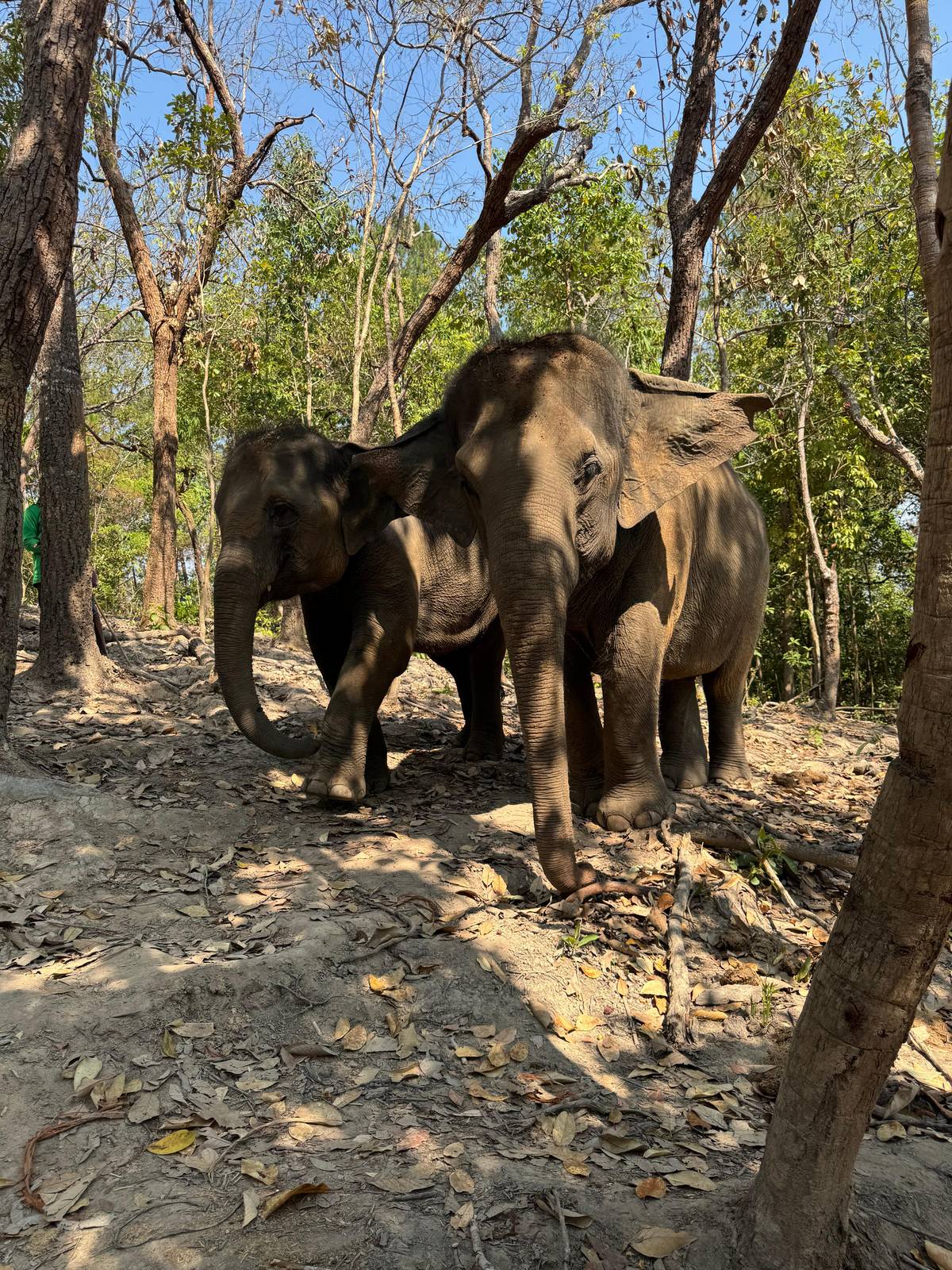
An observation programme at Joy Elephant Sanctuary in Mae Wang District names feeding and observing the elephants and walking alongside them as they forage, over 3 hours of guided touring and wildlife viewing. A listing in Mae Chaem calls itself hands-off and hikes to find the elephants. A care programme near the city names a mud pool, a bath and time with baby elephants.
Many venues present their work as elephant rescue in Chiang Mai, and a listing cannot prove where an animal came from. Ask where each elephant lived before, whether calves are born on site, and how the mahouts guide the animals. World Animal Protection says hooks should not be used unless in a real emergency, and that elephant-friendly venues handle elephants with positive reinforcement whenever possible.3536
World Animal Protection publishes a list of the venues that scored highest in its assessment, reviewed in December 2025, in two classes: following its elephant-friendly guidelines, or following them except for hand feeding over a barrier.37 In Chiang Mai the first class names six venues.38 They are Burm and Emily's Elephant Sanctuary, ChangChill View Doi, ChangChill Hillside, Global Vision International, Kindred Spirit Elephant Sanctuary and the Mahouts Elephant Foundation LIFE Project.38
The charity also names Isara Elephant Foundation in Chiang Mai among its other high welfare venues, and says it spent several years helping ChangChill become elephant-friendly.3940 None of the GetYourGuide listings compared on this site is sold under those names. If one of them is your choice, book it through the venue's own channels.
The bigger picture explains why such lists matter. In the 2026 report, observation-only experiences involved just 7% of the elephants surveyed.416 Of all 2,849 elephants, 69% were at venues scoring 5 or lower out of 10, and only 5% at venues scoring 9 or 10.22 The choice you make with your booking is small, but it is the one you control.
Your elephant day
Hotel pickup option in Chiang Mai, lunch on the day, and no fee to cancel until 24 hours ahead.
At some venues, yes. World Animal Protection found 42% of elephants at Thai tourist venues still used for rides; several Chiang Mai listings state there is no riding.27
The sources disagree. World Animal Protection counts bathing as a red flag; a Chiang Mai University review concludes not all tourist activities harm welfare.25
World Animal Protection says yes. It says true sanctuaries do not breed, with an exception for orphanages that rescue calves from the wild.419
Not on its own. World Animal Protection warns that the names sanctuary, rescue centre or retirement home are no proof of high welfare.7
Six follow its guidelines in full. They include Kindred Spirit Elephant Sanctuary, Burm and Emily's, both ChangChill venues and the LIFE Project.38
Not if you like to watch. The observation programme here walks alongside the elephants as they forage, with a waterfall break and tea.
Sources