 Wettest
River day kit
Bathing and rafting
- Base
- Swimwear
- Top
- Quick-dry shirt
- Feet
- Sport sandals with straps
Guides
Language
EnglishCurrency
US dollar · $Prices on GetYourGuide appear in your chosen currency.
Guide · Packing
River bathing, a muddy forest walk and a raft each ask for different clothes. Here is how to dress for every part of the day, and what the listings tell you to pack.
Editorial team, elephantsanctuarytour.comUpdated October 24, 2026Read time: 6 min11 sources
In a nutshell
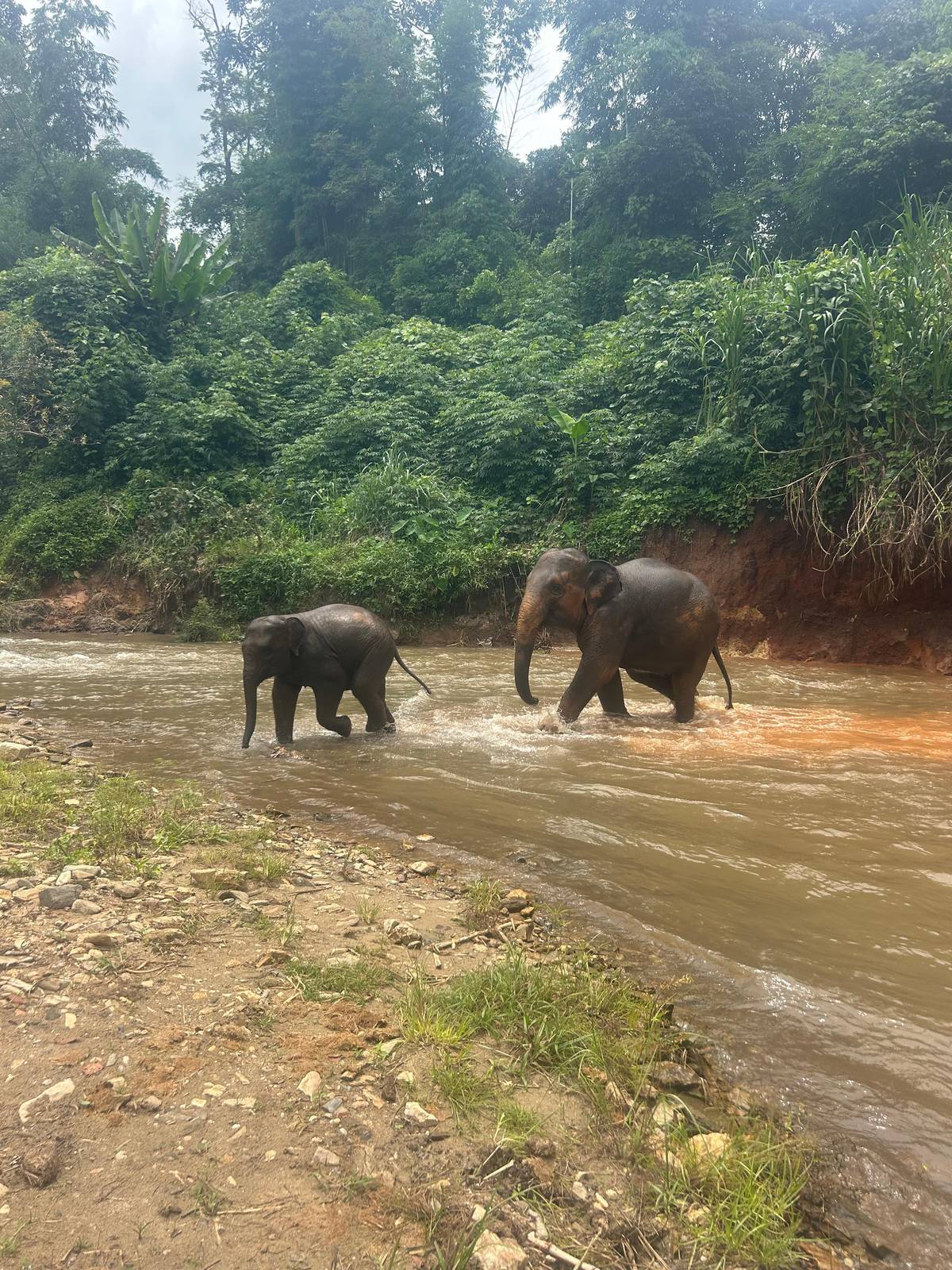
Knowing what to wear to an elephant sanctuary starts with one question: will you get into water with the elephants, or watch them from a path? The site tour's listing names a dip at the Mae Wang waterfalls, bathing with the elephants in the river and a bamboo raft ride, so you will be wet for part of the day. At an observation-only venue, by contrast, you may never need more than a hat and good shoes.
Listings say this in their own words. A group day at the same camp recommends a change of clothes because you may get wet and dirty bathing the elephants. A hands-off programme on Phuket that does no riding, bathing or touching asks only for closed shoes or sandals with grip, a hat, sunscreen and repellent. Read your own listing's notes the evening before; they are written for that venue's ground and water.
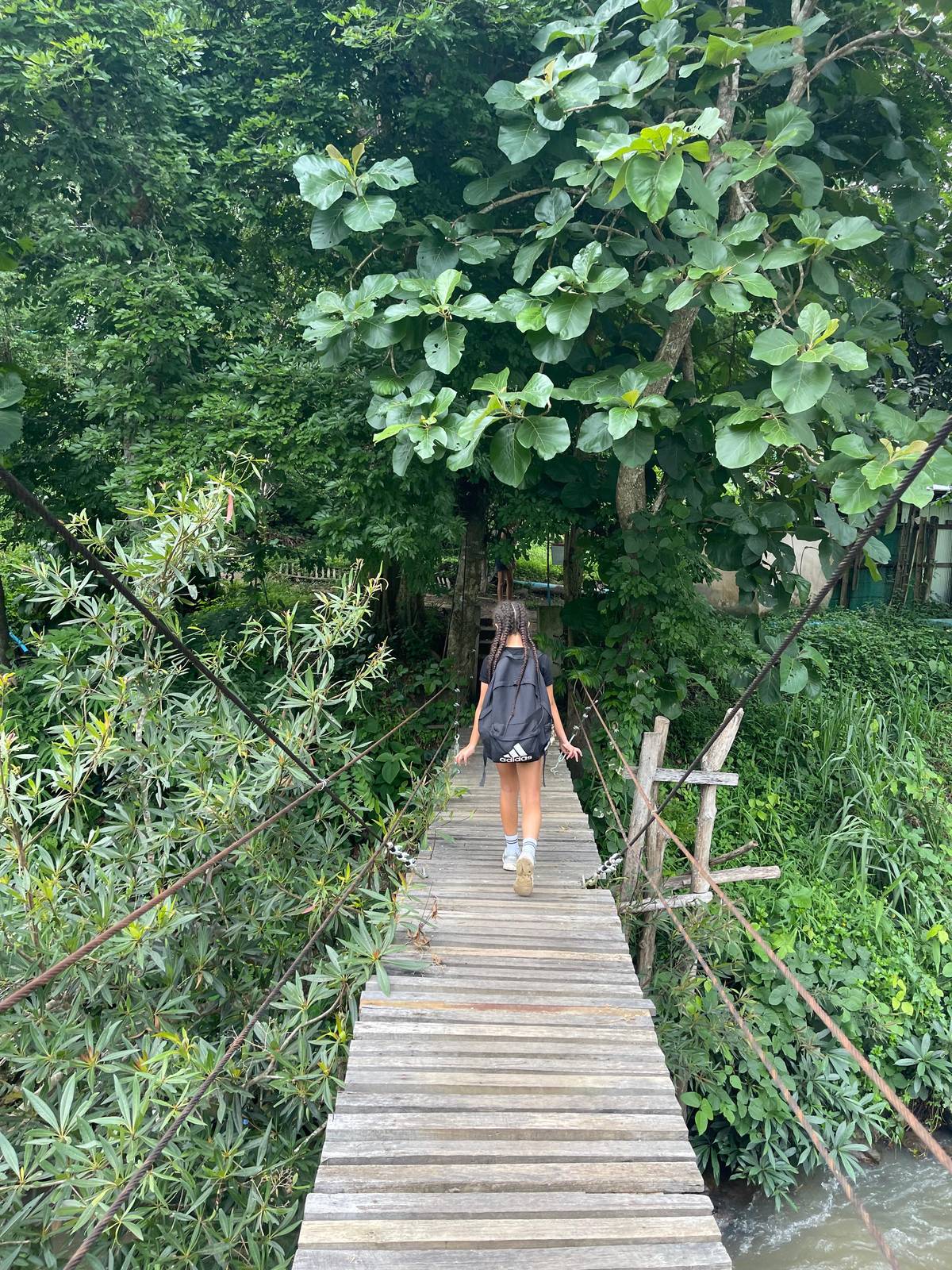
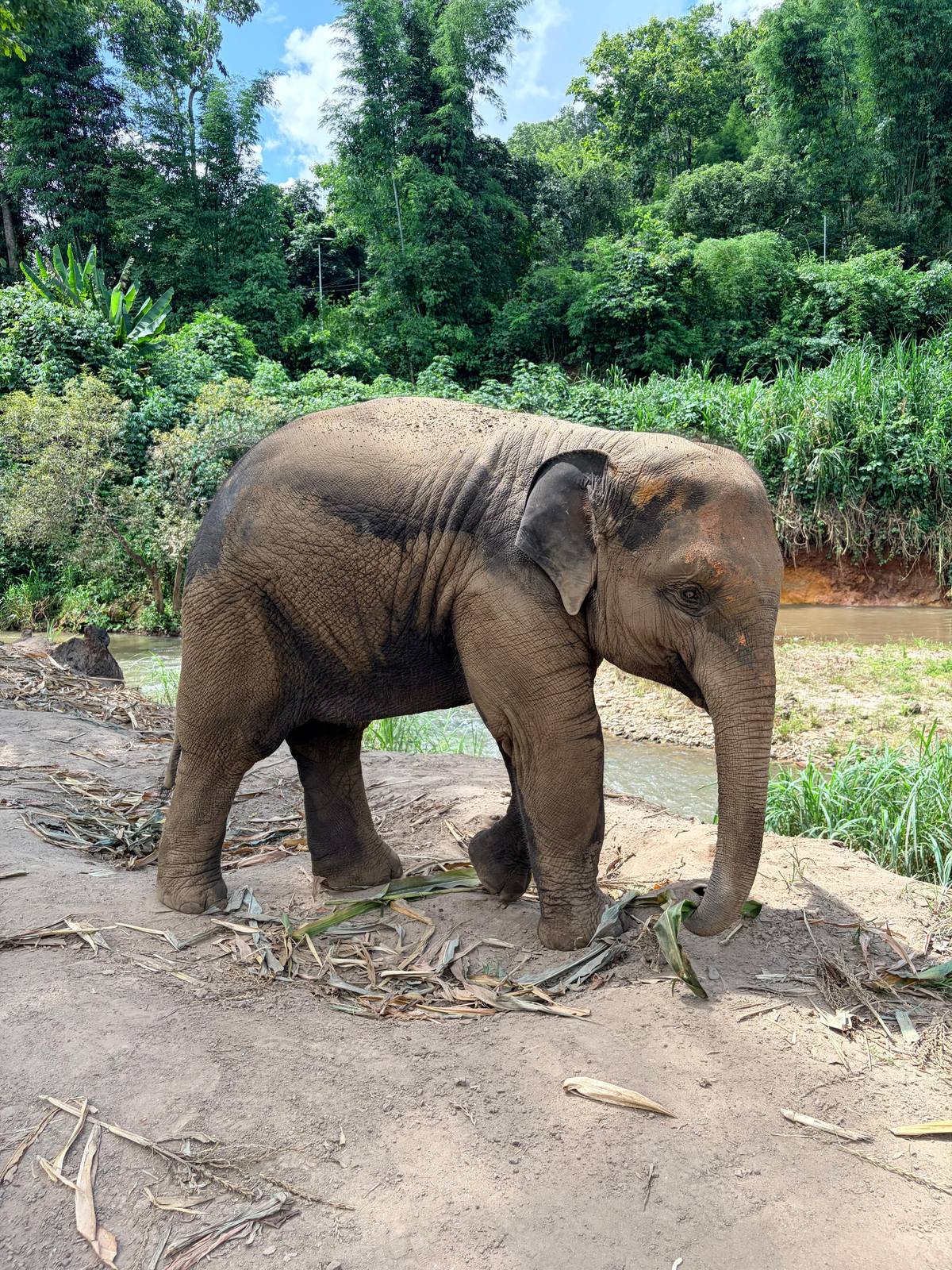
Between those two ends sits a forest walk. The site tour names a walk uphill with the elephants through the forest to watch them forage. Dirt paths in the hills turn to red mud after rain and to dust in the dry months, so the same pair of shoes has to cope with a slope and a riverbank. Think of the day as needing a trail outfit, a water outfit and something dry for the ride home.
Dressing for the day
Night before
Towel, a change of clothes and small notes for tips go in first.
Before pickup
Wear it under light clothes; one listing leaves swimwear to you.
On arrival
The CDC advises at least 20% DEET and sunscreen of SPF 15 or more.32
In the forest
One Mae Wang programme asks for non-slip shoes on its walks.
At the river
Leave valuables in your bag and take only a waterproof pouch into the water.
Ride home
The change of clothes the listings recommend comes into its own now.
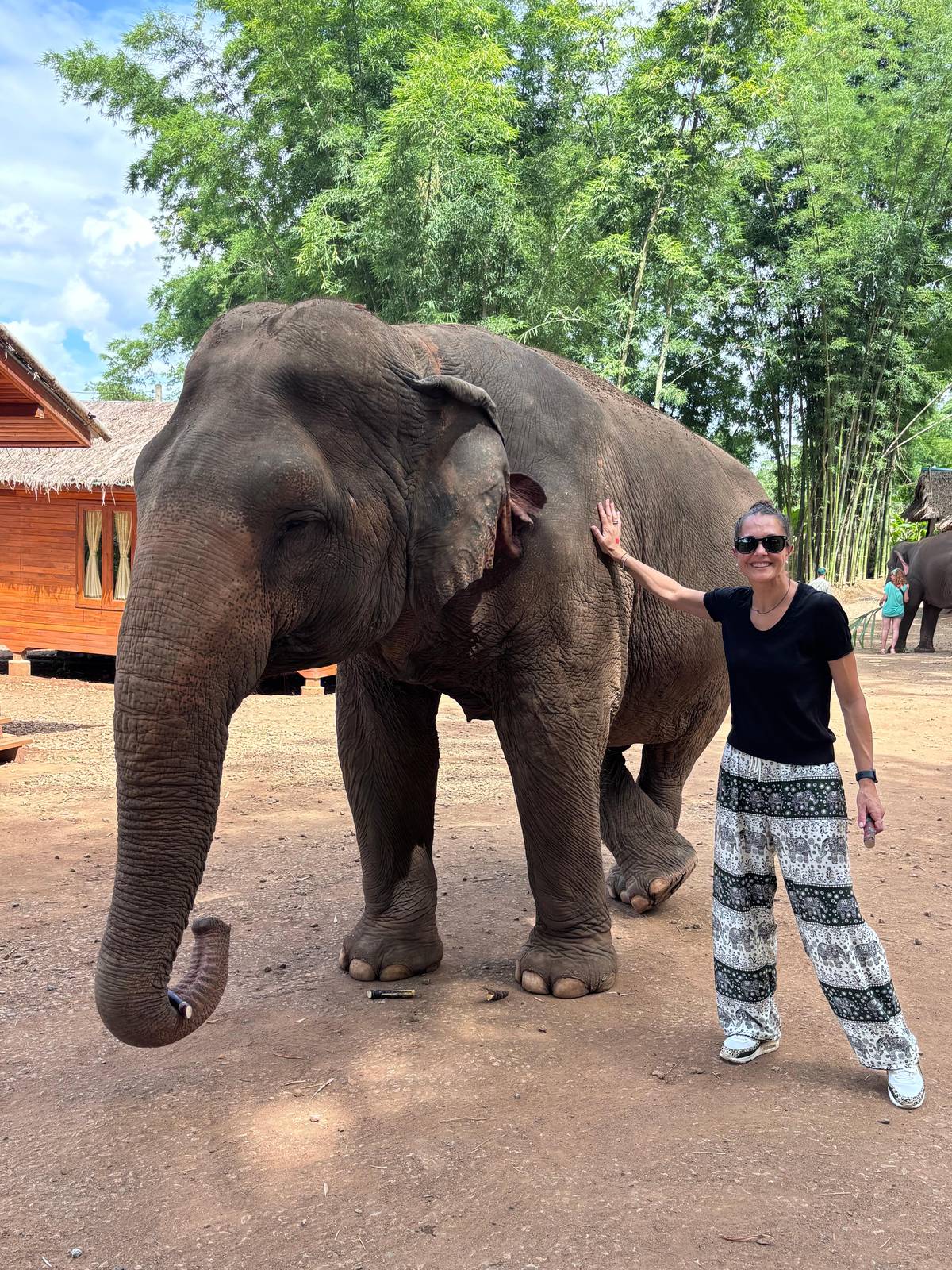
For the water, wear swimwear under light clothes so you can strip down at the riverbank without hunting for a changing room. One 9-hour day lends you a mahout outfit but leaves swimwear to you. Over the top, a loose cotton or quick-drying shirt and shorts work better than anything tight, and dark colors hide brown river water and mud far better than white.
Modesty rules differ by venue. One day trip from Bangkok asks women to swim in a shirt and shorts out of respect for Thai culture. A Koh Samui venue that offers no bathing at all asks women not to wear bikinis or swimsuits and men to keep a shirt on. If your listing says nothing, a T-shirt over swimwear is a safe middle ground anywhere in Thailand.
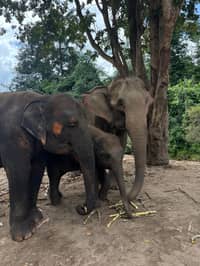
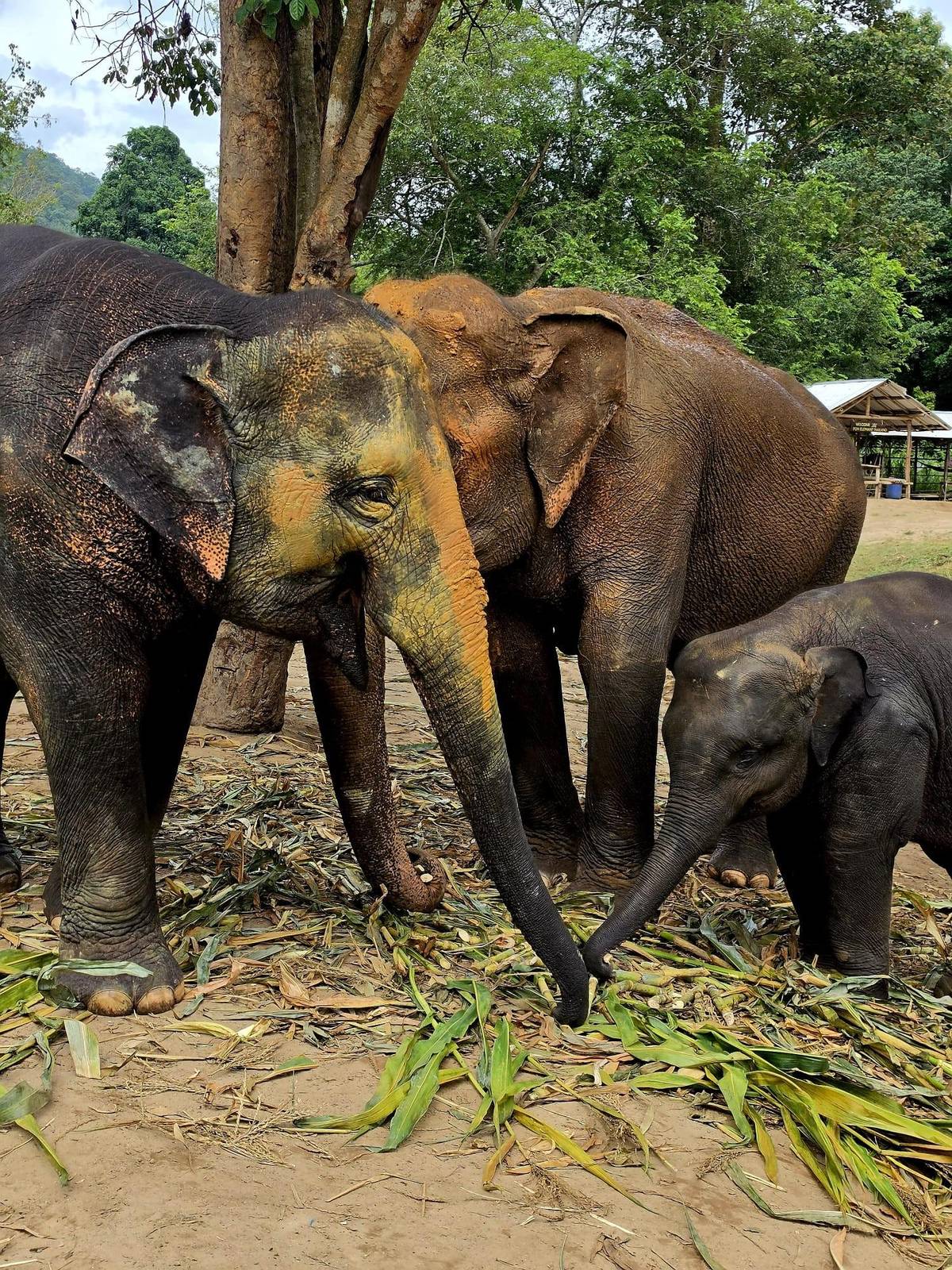
Mud is part of some programmes. A Koh Samui half-day names playing in the mud with the elephants and asks you to bring a swimsuit, a towel and spare clothes. Elephants themselves cover their skin with dirt, sand and mud to protect it from sun and insects, the Smithsonian notes.4 Expect whatever you wear for that part to come home stained, and pack a plastic bag to carry it back in.
Heat through the year
What the listings say
| Day | Water contact | Wear or bring | Price |
|---|---|---|---|
| Waterfall & raft (ours) | Dip, river, raft | Own towel; tips extra | from $57 |
| Sticky Waterfall day | River & falls | Swimwear; outfit lent | from $60 |
| Group day & falls | River bathing | A change of clothes | from $48 |
| Raft & Pad Thai | Raft | Clothes that may get wet | from $51 |
| Koh Samui mud day | Mud | Swimsuit, towel, repellent | from $80 |
| Phuket hands-off visit | None | Grippy shoes, hat, repellent | from $36 |
| Koh Samui observation | None | Shirts on, no bikinis | from $114 |
Dress notes as each GetYourGuide listing states them; prices are its "from" prices, not quotes.
Three outfits
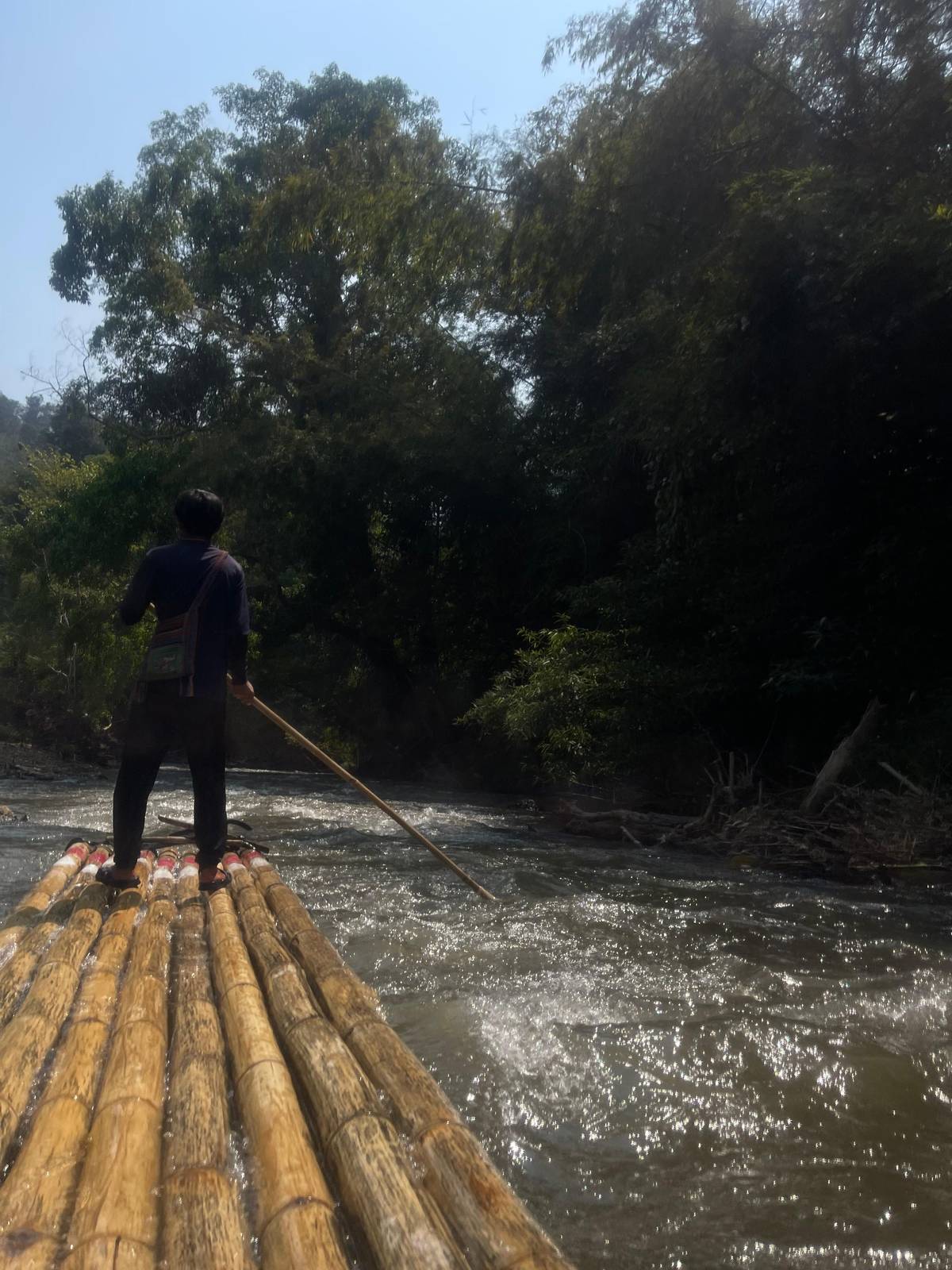
WettestBathing and rafting
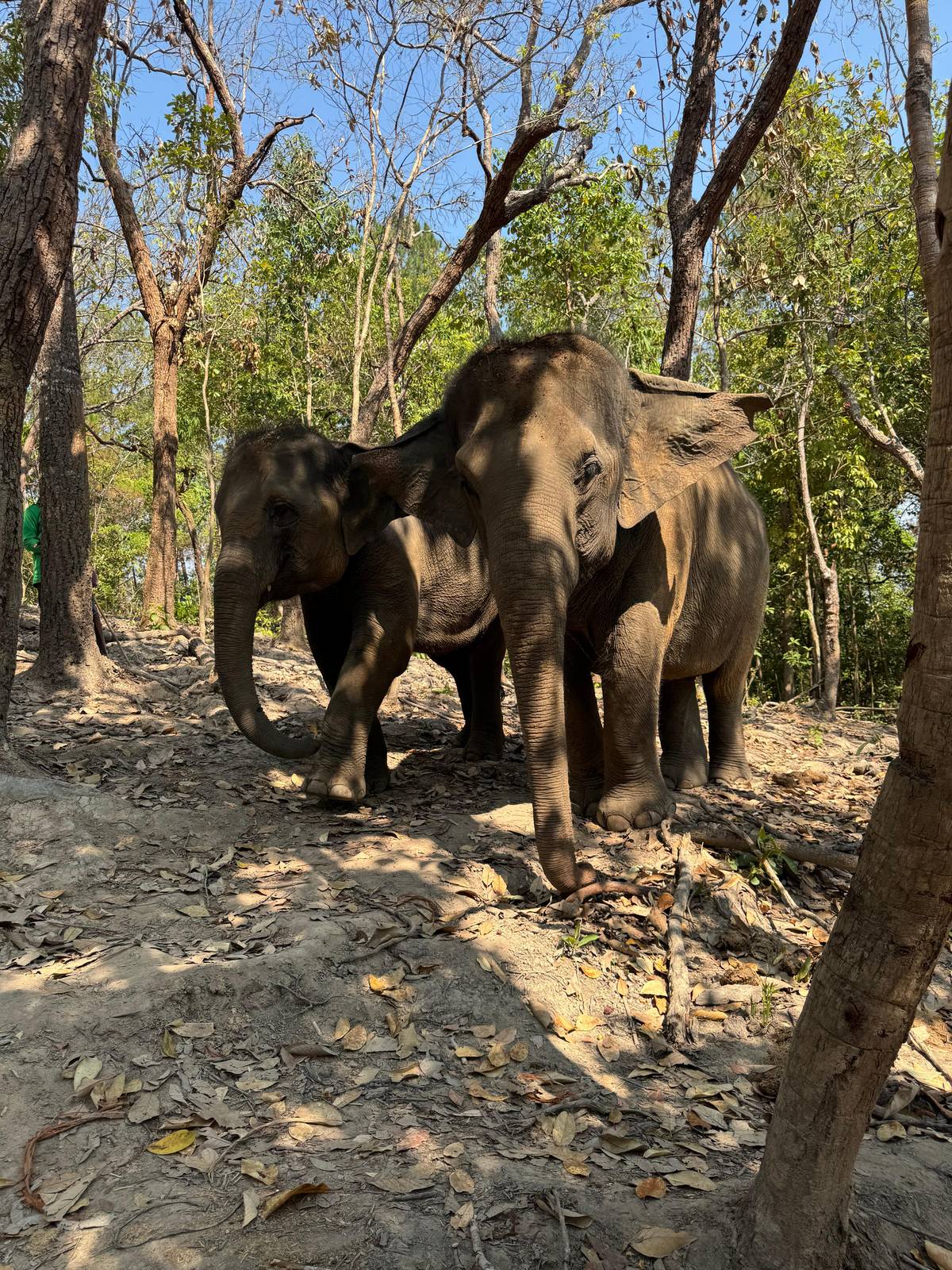
 Muddiest
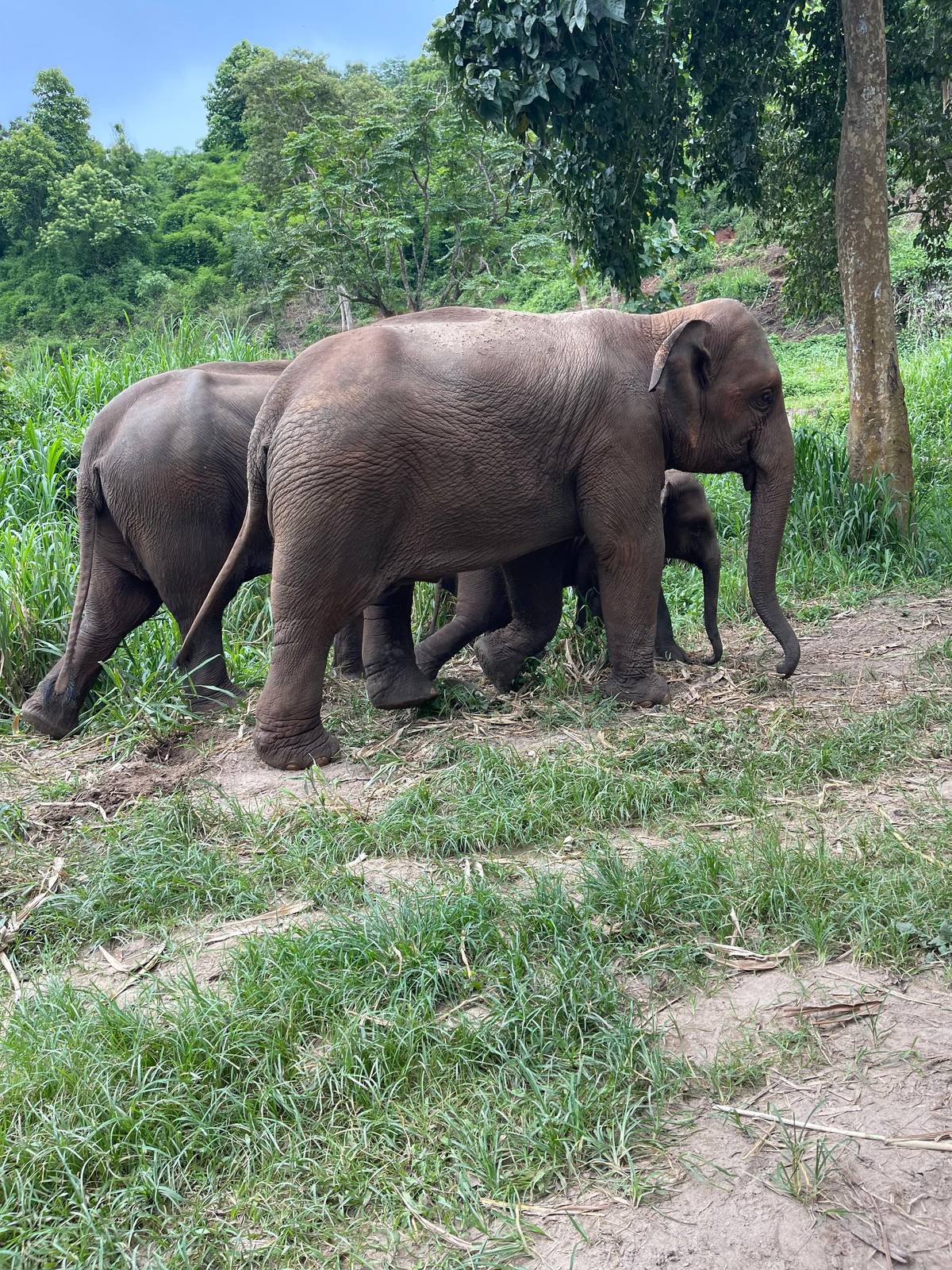
Uphill dirt paths
 Driest
Watching from a distance
Decision helper
Match what your day includes to what you pack
A group day recommends a change of clothes, since you may get wet and dirty.
A hands-off Phuket programme asks for grippy shoes, a hat, sunscreen and repellent.
One listing asks women to swim in a shirt and shorts out of respect for Thai culture.
April averages a daily high of 36.7 °C at the Chiang Mai station.5
January lows average 15.7 °C at the Chiang Mai station.5
Cover exposed skin by wearing long-sleeved shirts, long pants, and hats.
Footwear matters more than any other item. A programme in Mae Wang District asks for non-slip shoes for its walks. Closed trail shoes protect toes on the forest path, while sport sandals with a heel strap can go straight into the river. Flip-flops slip on wet rock and come off in mud, so leave them for the hotel pool. Some venues lend boots: a Pattaya sanctuary hands out wellington boots when it is muddy.
Long, light trousers and sleeves help on the trail. The CDC advises covering exposed skin with long-sleeved shirts, long pants and hats against bug bites.1 Thin cotton or synthetic fabric dries fast and keeps the sun off, and it also guards against grass and twigs on an uphill walk. If you plan to bathe, roll the trousers into your bag and change at the water.
Sun protection is the other half of the outfit. The CDC advises sunscreen of at least SPF 15, protective clothing and shade during the hottest time of day, 10 a.m. to 4 p.m.2 A wide-brimmed hat that ties under the chin stays on during a raft ride, and sunglasses on a strap survive a splash. A Phuket canopy walkway visit, which keeps you out of the water entirely, still asks for a hat and sunscreen.
Checklist
Video
Until you tap play, the video stays unloaded.
When people ask what to bring to an elephant sanctuary, the answer starts with what is not supplied. On the site tour, lunch, fruits and drinking water are included, while a towel and tips are not. Pack a towel that dries fast, a full change of clothes and some small notes. A Koh Samui listing adds sunglasses, sunscreen and insect repellent to the same basic list.
Insect repellent deserves a place even on short visits. For protection lasting up to several hours, the CDC recommends a repellent with 20% or more DEET.3 Put it on before you reach the forest, and again after the river if you swim. The CDC also suggests packing bug spray, sunscreen and a basic first aid kit.6 A few waterproof plasters cover small cuts before river water gets to them.7
Keep the bag small. A 2-day homestay trip allows one small day pack and one carry-on bag per person. On a day trip, a dry bag or a few zip-lock bags keep a phone and money safe, and anything you will not need is better left at the hotel. One group day asks for a passport number for insurance, so have it to hand when you book.
Chiang Mai's climate shifts a lot through the year, and so does the right outfit. At the city's station the average daily high climbs to 36.7 °C in April, while the average low in January is 15.7 °C.5 Those are city figures from World Meteorological Organization normals, not readings from the forest, but the pattern is clear: a hot spring and mild winter mornings.
In the hot months, pack for heat first. The CDC says that if you are outside for many hours in heat, you should eat salty snacks and drink water to replace salt lost through sweating.8 Light colors on the trail, a refillable bottle and a hat with a brim matter more than anything else, and the river later in the day feels like a relief rather than a chill.
In the rainy months, expect mud and showers. At the Chiang Mai station, August brings 17 rainy days of 1 mm or more.5 A thin rain jacket or poncho folds into any bag, and some venues hand out rain gear themselves: the Phuket canopy walkway visit provides umbrellas and raincoats. Heavy rain can also cancel the site tour's waterfall and raft, in which case the swimwear may stay dry.
Some things are better left at the hotel. Jewellery can catch on a rope or slip off in a river, and white or pale clothes rarely survive red mud. Strong perfume and scented lotions are best skipped on a day around animals that live by their noses. Leave expensive sunglasses behind too, or tie them on: anything dropped from a raft is gone for good.
Clothing also follows from how close you get. World Animal Protection says visitors should only watch elephants behaving naturally from a distance, and it counts the chance to bathe or ride elephants as a red flag.910 At an observation-only venue you need no swimwear at all; on a bathing day like the site tour, the outfit follows the river. Either way, the choice of venue comes before the choice of clothes.
Wherever you go, the CDC advises travelers not to touch or feed animals they do not know.11 On a day that does include feeding, wear something you can wipe or wash, tie long hair back and follow the mahouts' directions. Carry nothing that dangles or flaps: a small backpack is easier to manage than a bag on a long strap when an elephant reaches for the bananas.
Your elephant day
Hotel pickup option in Chiang Mai, lunch on the day, and no fee to cancel until 24 hours ahead.
Yes, if your day includes water. The site tour names a waterfall dip, river bathing and a raft, so wear swimwear under your clothes.
Grippy shoes or sport sandals. A Mae Wang programme asks for non-slip shoes; flip-flops slip on wet rock and come off in mud.
No, bring your own. The listing includes lunch, fruits and drinking water, but not a towel or tips.
Yes, it is wise. The CDC recommends a repellent with 20% or more DEET for protection lasting up to several hours.3
Check the listing first. One listing asks women to swim in a shirt and shorts; another asks women not to wear bikinis at all.
On bathing and mud days, yes. A group day warns you may get wet and dirty bathing the elephants and recommends a change of clothes.
Only a light layer in winter. January lows average 15.7 °C at the Chiang Mai station, against daytime highs of 30 °C.5
Sources